About Auditing
What the County Auditor does — and why it matters to residents
What Does the County Auditor Do?
Many community members have asked me what the County Auditor does.
The Auditor's Office conducts performance audits, which are similar to program evaluations. These audits examine how well government programs and services are working and whether they are achieving their intended results.
Performance audits typically assess:
- Program effectiveness and outcomes
- Operational efficiency
- Compliance with laws, regulations, and policies
- Management controls and oversight
Audits can cover a wide range of topics — from evaluating the effectiveness of housing placements, to reviewing land use permitting processes, to determining whether people have access to essential public health services.
The purpose of these audits is not to assign blame, but to provide objective, fact-based analysis that helps government improve how it serves the public.
Why the County Auditor's Office Matters
Many people have also asked why they should care about the County Auditor's Office and what it does.
You should care because the County Auditor is an elected position, independent from the County Commissioners. The Auditor reports directly to you — the public.
Audit reports are published and publicly available. This transparency allows residents to see how government programs are performing and helps hold public officials accountable for how public resources are used.
Independence is essential. Because the Auditor is independent, audit work can follow the evidence wherever it leads and present findings honestly and transparently — without political influence.
How Performance Audits Improve Government
Performance audits do more than identify problems.
They diagnose root causes, make practical recommendations for improvement, and help ensure programs are effective, efficient, and equitable.
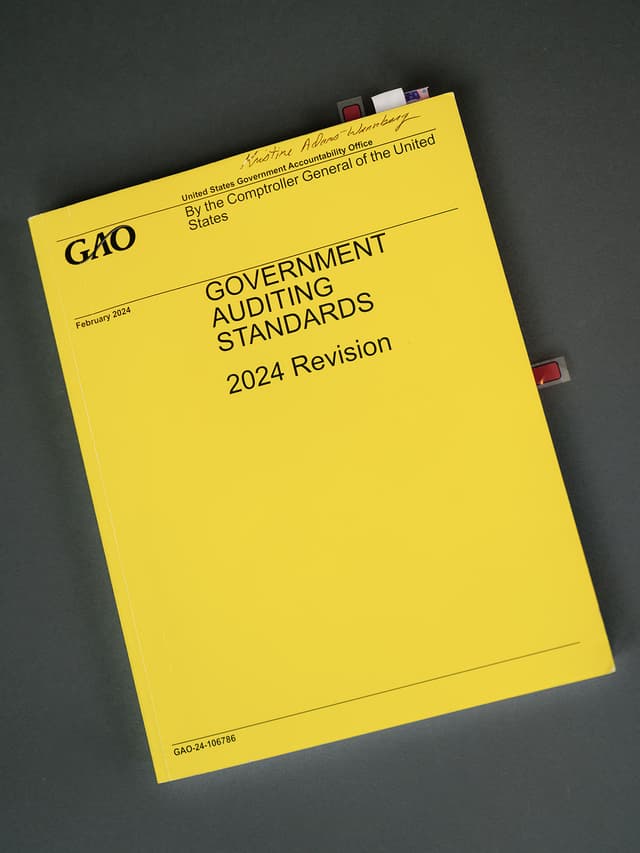
The County Auditor follows Generally Accepted Government Auditing Standards (GAGAS), commonly known as the Yellow Book, issued by the U.S. Government Accountability Office. These standards require audits to be based on unbiased analysis of evidence, rather than opinions or political considerations.
Following these standards ensures audit findings are credible, reliable, and useful to residents and decision-makers alike.
Equity, Accountability, and Public Trust
I believe equity is a core part of government accountability.
Audits should analyze how government policies and programs affect traditionally under-served communities. A well-designed audit can identify barriers, highlight disparities, and help eliminate obstacles to accessing public services.
As County Auditor, I ensure that audits incorporate an equity lens where appropriate, audit staff are trained in diversity, equity, and inclusion, and findings consider real-world impacts on residents.
A Tool for Continuous Improvement
Auditing is ultimately a tool for continuous improvement.
By applying rigorous professional standards and a practical, solutions-oriented approach, auditing helps government work better for the people it serves. Transparent, independent audits support informed decision-making and help ensure public resources are used responsibly and effectively.